 Call us on 020 4621 7332







Condensate Management Guides

How Does a Motorised Ball Valve Work? JORC AIR-SAVER Explained
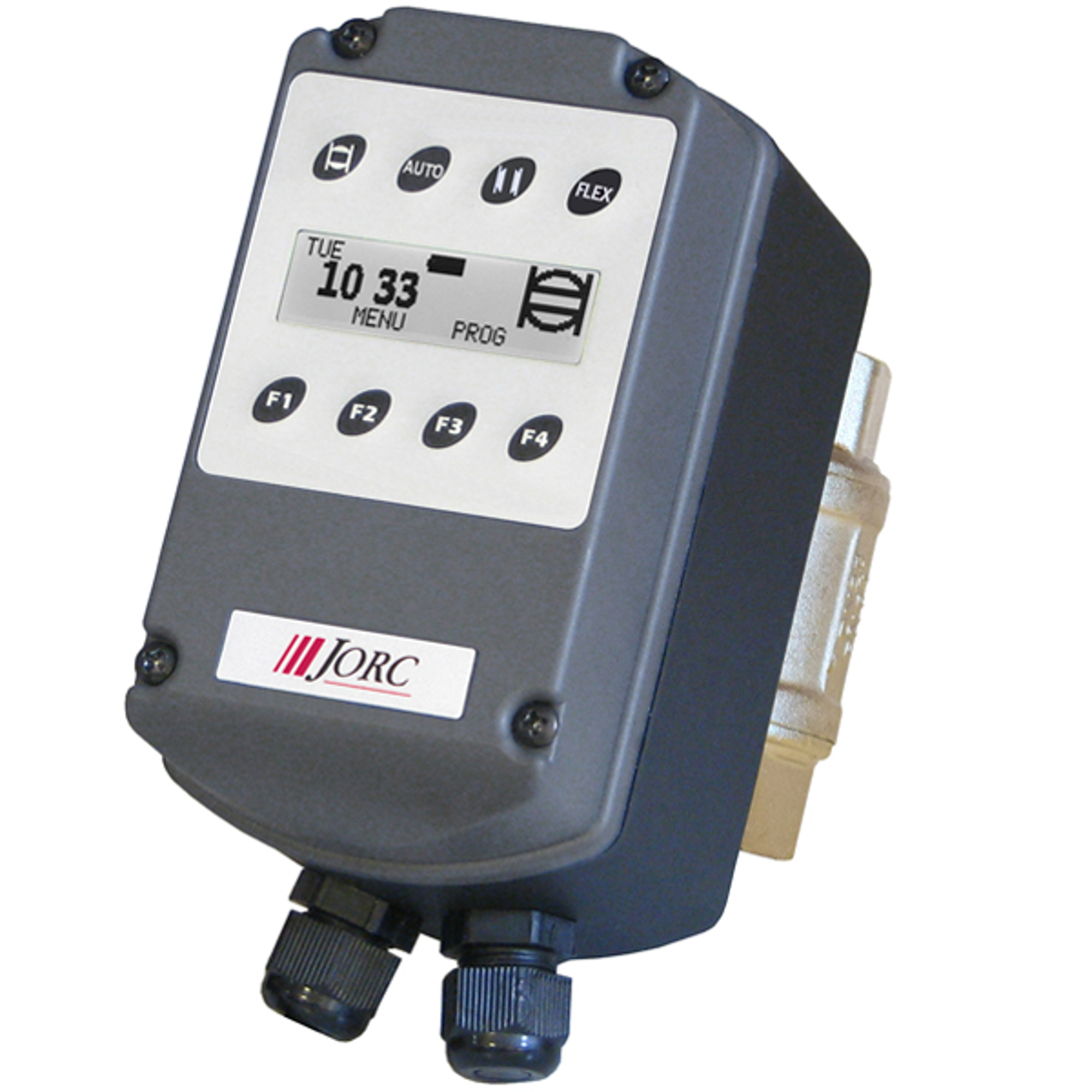
A motorised ball valve is a straightforward device, but understanding exactly how it works helps you get the most from it — and ensures you install and configure it correctly for your application. This article explains the mechanical and electrical operation of a motorised ball valve, using the JORC AIR-SAVER ...Read more

How a Motorised Ball Valve Can Save Money on Your Compressed Air Energy Bills
Compressed air is often described as the fourth utility — but unlike electricity, gas and water, companies rarely measure how much of it they're wasting. For most industrial businesses, the answer is a significant proportion of total compressed air consumption. And a large share of that waste occurs not during ...Read more

Do Condensate Drains Require Maintenance?
Condensate drains are among the hardest-working components in a compressed air system. They open and close hundreds or thousands of times per year, handling oily, contaminated liquid under pressure. A well-maintained condensate drain performs reliably and protects the wider system. A neglected drain fails — and the consequences range from ...Read more

What Are the Different Types of Condensate Drain?
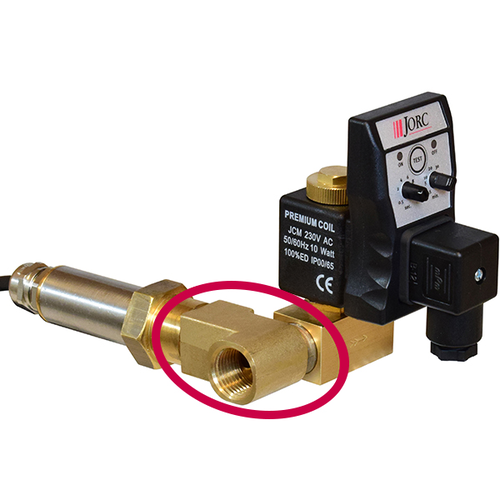
Not all condensate drains are the same. Choosing the right type of condensate drain for each application in your compressed air system has a direct impact on reliability, energy efficiency, maintenance requirements and overall operating cost. Timer Drains (Solenoid Timer Drains) Timer drains consist of a solenoid valve combined with ...Read more

What Are Condensate Drains and Why Do I Need Them for My Compressed Air System?
Walk into any industrial compressor room and you'll find condensate drains fitted throughout the system. They're on the compressor itself, on the dryers, on the receivers, on the filters. They open periodically, discharge liquid, then close again. But what exactly are they, and why does a compressed air system need ...Read more

Is It Possible to Test Condensate to Prove the Efficiency of Filtration?
Fitting an oil water separator to your compressed air system is the right thing to do. But how do you know it's actually working? How can you prove — to yourselves, to an auditor, or to an environmental regulator — that the water leaving your separator meets the required discharge ...Read more

How Do I Maintain My Oil Water Separator?
An oil water separator is not a fit-and-forget device. Like any filtration equipment, it relies on active media that gradually becomes saturated over time. Once the media is spent, the separator can no longer remove oil from condensate effectively — meaning your discharge may exceed regulatory limits without any obvious ...Read more

How Do I Choose an Oil Water Separator for My Compressed Air System?
Choosing the wrong oil water separator is a common and costly mistake. An undersized separator will be overwhelmed during high condensate production periods, risking non-compliant discharge. An oversized one wastes money unnecessarily. Getting the selection right means matching the separator's capacity to your compressed air system's actual condensate output — ...Read more

What Is an Oil Water Separator and Why Do I Need One?
If your business operates an oil-lubricated air compressor, you are legally and environmentally obligated to treat the condensate it produces before discharging it to drain. An oil water separator is the equipment that makes this possible. Without one, you risk environmental prosecution, fines and damage to your business reputation. This ...Read more

What Is Condensate Management?
If you operate or maintain a compressed air system, condensate management is one of the most important — and most overlooked — aspects of system health, energy efficiency and environmental compliance. Yet for many engineers, facilities managers and compressor operators, the term "condensate management" raises a simple question: what exactly ...Read more